The Illusion of Control in Games of Chance
One prevalent myth in the gambling world is the belief that players can influence the outcome of games of chance through specific strategies or betting patterns. Many players operate under the assumption that they can sway the odds in their favor by employing certain techniques, especially in popular venues like neosurf online casino australia where the competition is fierce. However, most casino games, including slot machines, roulette, and various table games, are built on randomness. The outcomes are dictated by random number generators or similar mechanisms, which ensure that every result is unpredictable and fair. Consequently, regardless of a player’s skill level or strategy, the odds remain fundamentally against them.
This illusion of control can lead to prolonged play and increased financial losses, as players often chase the idea that they can ‘beat the system.’ Each spin of a slot machine or roll of the dice operates independently of previous outcomes, maintaining a constant house edge. Understanding that winning largely hinges on chance rather than skill is essential for anyone engaging responsibly in gaming activities. This realization can help players set more realistic expectations and avoid the pitfalls of misguided strategies.
Moreover, some players become fixated on “hot” or “cold” streaks, believing that they can exploit these patterns for their benefit. This belief is deeply rooted in the gambler’s fallacy, which inaccurately assumes that past events can influence future results in independent trials. In reality, each game round resets the odds entirely. Recognizing this inherent randomness is crucial for players who wish to maintain a healthy and enjoyable gaming experience.
House Edge: The Unavoidable Reality
The house edge is a critical concept in the realm of gambling, yet it is often misunderstood by players. This term refers to the built-in advantage that casinos hold over players in the long run, ensuring their profitability. The house edge varies across different games, and grasping this concept is vital for players evaluating their chances of success. For instance, games like blackjack typically have a lower house edge compared to slot machines, making them more favorable for players who employ strategic decision-making.
Many gamblers mistakenly believe that understanding the house edge will enable them to devise foolproof strategies to circumvent it. However, this notion is a misconception. The house edge is mathematically calculated over extensive gameplay, indicating that while players might enjoy short-term wins, the odds will invariably favor the casino over time. This understanding is crucial for individuals looking to engage with gambling as a form of entertainment rather than a reliable source of income.
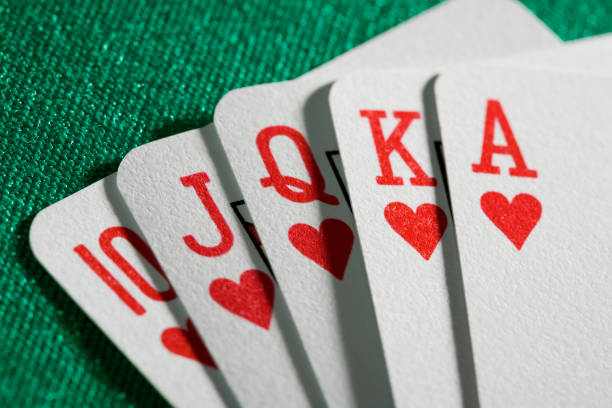
Furthermore, acknowledging the reality of the house edge emphasizes the importance of practicing responsible gambling. Players should be aware of their spending limits and resist the urge to chase losses, accepting that the odds are not in their favor. By comprehending the house edge, players can cultivate realistic expectations and maintain a balanced perspective on their gaming experiences, ensuring they engage in gambling responsibly and enjoyably.
The Myth of “Hot” and “Cold” Games
The belief in “hot” and “cold” games is a captivating yet erroneous myth within casinos. Many players operate under the assumption that certain machines or tables are more likely to yield wins based on their recent performance. For example, gamblers may gravitate toward a slot machine that has recently awarded a significant jackpot, believing it is still likely to pay out. This behavior is primarily rooted in superstition and lacks any factual basis in probability or mathematics.
The truth is that every game operates independently, and a machine’s past performance does not influence its future payouts. Most electronic gaming machines are designed and regulated to ensure randomness, meaning the probability of winning remains constant, irrespective of recent results. Understanding this fundamental aspect can empower players to make informed choices and avoid wasting their time and money on machines simply because they are perceived as “lucky.”
This myth can lead to common pitfalls, such as players spending excessive amounts of time and money on a machine they believe is “due” for a payout. A more prudent approach would be to treat each gaming session as an independent event, focusing on the enjoyment of the gameplay rather than relying solely on the fickle nature of luck. By adopting this mindset, players can maintain a healthier and more balanced perspective, reducing the potential for losses and enhancing their overall gaming experience.
Emotional Betting: A Dangerous Fallacy
Emotional betting represents another pervasive myth that can significantly jeopardize players’ budgets and decision-making processes. Many gamblers succumb to the belief that their emotional state can enhance their odds by making them more in tune with the game’s dynamics. For instance, players may feel they are “due” for a win after experiencing a string of losses, prompting them to increase their bets in a reckless attempt to recover lost funds. This mindset is particularly hazardous as it dismisses the fundamental mechanics of games, which are inherently based on chance.

Additionally, gambling while under the influence of strong emotions can cloud judgment and lead players to make unnecessary risks. Research indicates that emotional states—whether positive or negative—can greatly impact decision-making capabilities. Therefore, it is crucial for players to approach their gambling sessions with clarity and a well-defined strategy, establishing spending limits to prevent the allure of chasing emotional highs through betting.
Developing self-discipline is essential for anyone who wishes to enjoy casino games responsibly. Players should prioritize engaging in gambling as a form of entertainment rather than as a means to generate income. Recognizing the emotional aspects of gambling can also promote healthier habits, encouraging players to walk away when emotions run high or losses accumulate, thus maintaining better control over their gaming activities and ensuring a more enjoyable experience overall.
Understanding Casino Resources: Knowledge is Power
In the digital age, a wealth of online resources offers insights into the gambling world, debunking myths and educating players about odds, house edges, and strategies. Before stepping into a casino or logging into an online platform, it’s essential for players to familiarize themselves with the various games and their respective odds. Knowledge about how to play each game, what the odds are, and the respective house edges can dramatically influence a player’s experience and outcomes.
Numerous reputable websites provide comprehensive guides and data regarding game odds, strategies, and responsible gambling practices. By utilizing these resources, players can make informed decisions that enhance their gaming experiences, enabling them to enjoy the thrill of the game while avoiding common misconceptions. Furthermore, many platforms advocate responsible gambling and offer tools for managing budgets, which can help mitigate the risks associated with emotional betting or the thrill of pursuing wins.
Ultimately, understanding the landscape of casino gaming—including its odds, house edge, and inherent randomness—empowers players to engage with greater confidence and responsibility. By adopting a balanced and informed approach to gambling, they can find joy in the experience, making it a more rewarding and sustainable pastime. Knowledge not only enhances gameplay but also fosters a culture of responsible betting, ensuring players can enjoy their time in casinos without falling prey to myths that can lead to disappointment and financial strain.